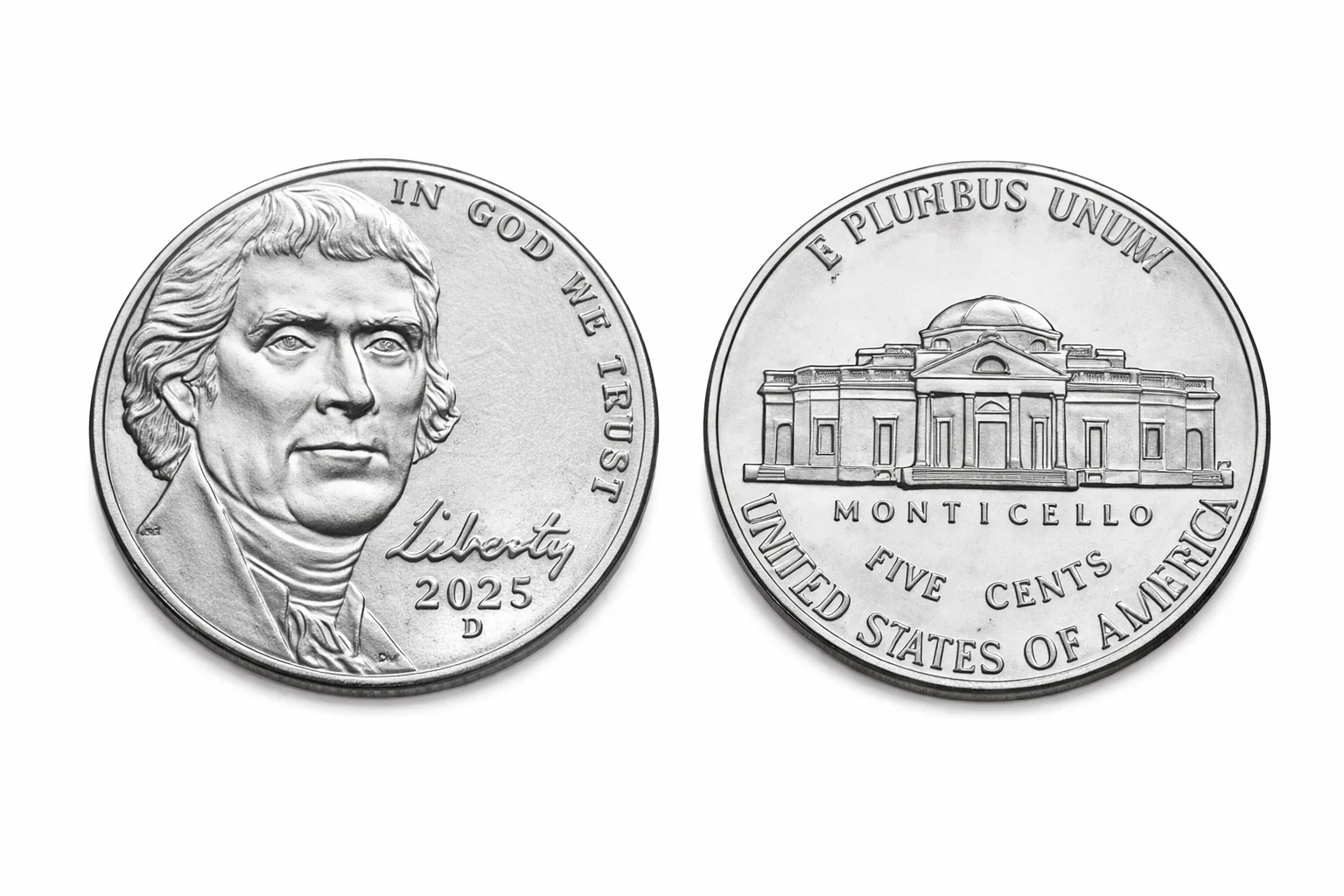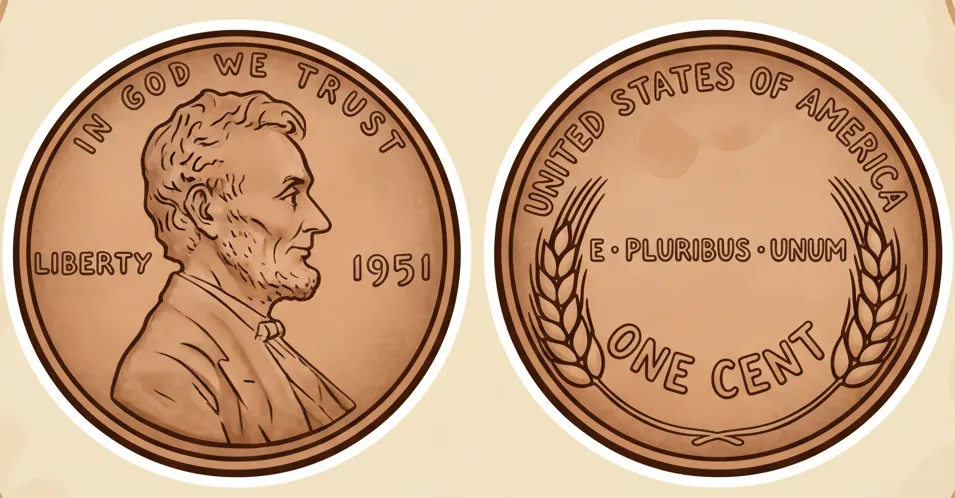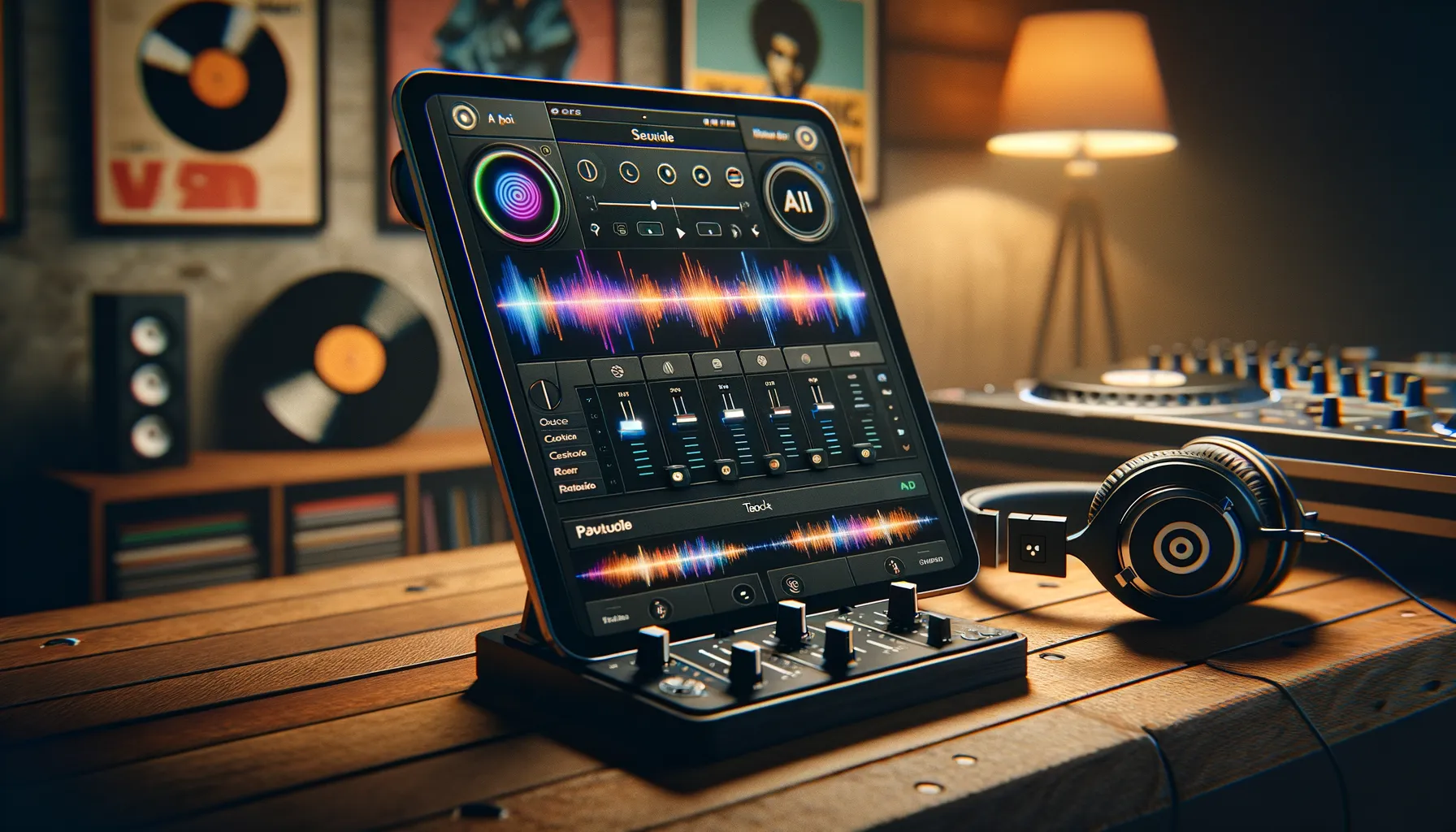
Penny coins carry a story far richer than their modest value suggests. These small copper pieces shaped parts of U.S. history, influenced wartime production decisions, inspired generations of collectors, and even sparked debates about modern currency costs. Even a simple scan through a coin scanner app can uncover centuries, shifting metals, changing designs, and unexpected twists. Even if you collect them yourself, there are some fantastic facts that you didn’t know.
1. Early American cents looked nothing like today’s lightweight modern pennies. The first official one-cent coin, the 1787 Fugio cent, was large, thick, and heavy—over five times the weight of a current penny. Its wide diameter and solid copper body made it feel closer to a British halfpenny than any modern U.S. issue. Even more surprising, part of the copper used in the early 1790s came from Paul Revere, creating a direct historical link between the Revolutionary War and the country’s earliest coinage.
Production challenges also shaped the penny’s timeline. A severe copper shortage during the War of 1812 forced the Mint to pause cent production entirely in 1815, marking the only year in U.S. history when no pennies were minted. These early disruptions show how tightly coinage depended on raw materials and political events.
Key contrasts between early and modern cents
| Feature | Early Cents (1787–1790s) | Modern Lincoln Cents |
| Weight | Very heavy, over 5× modern weight | 2.5 g (zinc), 3.11 g (pre-1982 copper) |
| Metal | Pure copper | Copper-plated zinc (since 1982) |
| Diameter | Significantly larger | 19.05 mm |
| Production stability | Interrupted by material shortages | Continuous minting |
These early characteristics show how dramatically U.S. coinage evolved from bulky copper tokens to today’s lightweight cents.
2. A Wartime Metal Switch That Changed Everything
One of the most dramatic changes came in 1943, when supplies of copper were diverted to ammunition during World War II. To save the metal for the war, the U.S. Mint struck pennies in zinc-coated steel, making the famous gray-white wartime cents. They were magnetic, prone to rust, and often confused with dimes, thus frustrating everyday circulation.
A few 1943 pennies were made from leftover bronze planchets, forming some of the most valuable errors in American numismatics. The record prices for these bronze cents range from hundreds of thousands up to $2 million, showing how a single minting oversight can turn an ordinary coin into a prize coveted worldwide.Today, many collectors confirm information such as composition, weight, and minting years with the use of photo-identification through the best free coin identifier app for iPhone before further evaluating a piece. The early classification of clear coin cards is pretty fast, especially in the sorting of older cents by beginners.
3. Lincoln’s Historic Appearance on the Cent
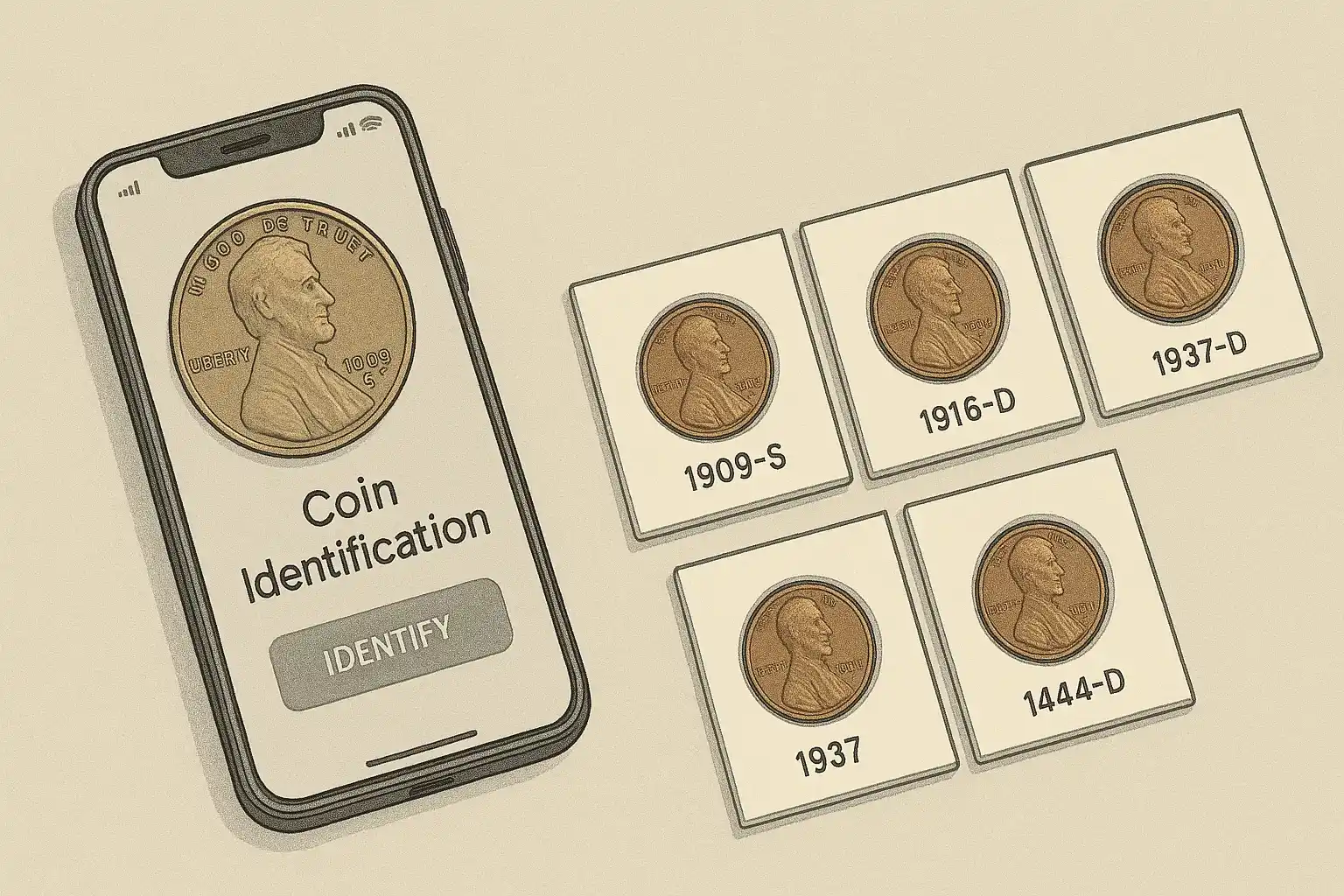
The penny broke tradition in 1909 by featuring a real historical figure for the first time. Abraham Lincoln became the first president on a U.S. coin. He was chosen to mark the 100th anniversary of his birth. Both sides were designed by Victor David Brenner: Lincoln’s portrait decorated the obverse, framing two classic wheat ears on the reverse.
The most famous piece from that year, the 1909-S VDB penny, has continued to headline auctions due in large part to its tiny mintage and distinctive designer initials. A high-grade example sold for $168,000, proving the truism that design smallness can translate into enormous collector appeal.
Pennies at this early time strongly symbolized national unity, presidential legacy, and artistic craftsmanship that were to lay foundations for further design changes.
4. Modern Pennies Cost More to Make Than They’re Worth
Behind every new penny is the surprising reality that it costs far more to produce than one cent. According to recent fiscal reports from the U.S. Mint, a modern Lincoln cent costs 3.69 cents in manufacturing and distribution. This marks the nineteenth consecutive year in which the penny operates at a loss. Increasing metal prices, transportation costs, and large-scale production demands all contribute to the imbalance.
Despite the ongoing debate about eliminating the denomination, minting remains active. In fiscal 2024 alone, the Mint shipped more than 3.17 billion pennies from its facilities. Many industries still rely on cents for pricing structures, and public sentiment shows a strong attachment to the coin’s legacy. These opposing viewpoints keep the discussion alive: preserve tradition or streamline currency?
Cost comparison overview
| Aspect | Value |
| Face value | $0.01 |
| Average production cost (2024) | $0.0369 |
| Yearly mint output | 3.17+ billion |
| Financial impact | Ongoing production loss |
The imbalance continues to shape conversations on modernization, symbolic heritage, and the role of small-denomination currency.
5. Error Pennies Turn Ordinary Pocket Change Into Treasure
Pennies are known for producing some of the most dramatic and valuable mint errors in American coin collecting. They appear in multiple forms—misstrikes, doubled dies, off-metal planchets—and each type carries its own appeal. Several errors have become legendary.
A standout series is the 1982 copper–zinc transition, when the Mint shifted from 3.11-gram copper cents to lighter 2.5-gram zinc versions. Both small-date and large-date varieties exist for that year, and mix-ups between the two metals created rare combinations worth strong premiums.
Even more famous is the 1955 doubled die obverse, celebrated for its bold, unmistakable doubling across the date and inscriptions. Clean examples remain highly desirable more than half a century later.
At the top of the list sits the extraordinary 1943 bronze penny, a product of wartime planchet confusion. Auctions have reached $800,000–$2 million, depending on mint mark and condition.
Notable error varieties at a glance
- 1955 doubled die obverse
- 1943 bronze planchet errors
- 1982 small-date copper cent
- Off-center strikes and broadstrikes
- Die cracks and cuds on late-stage dies
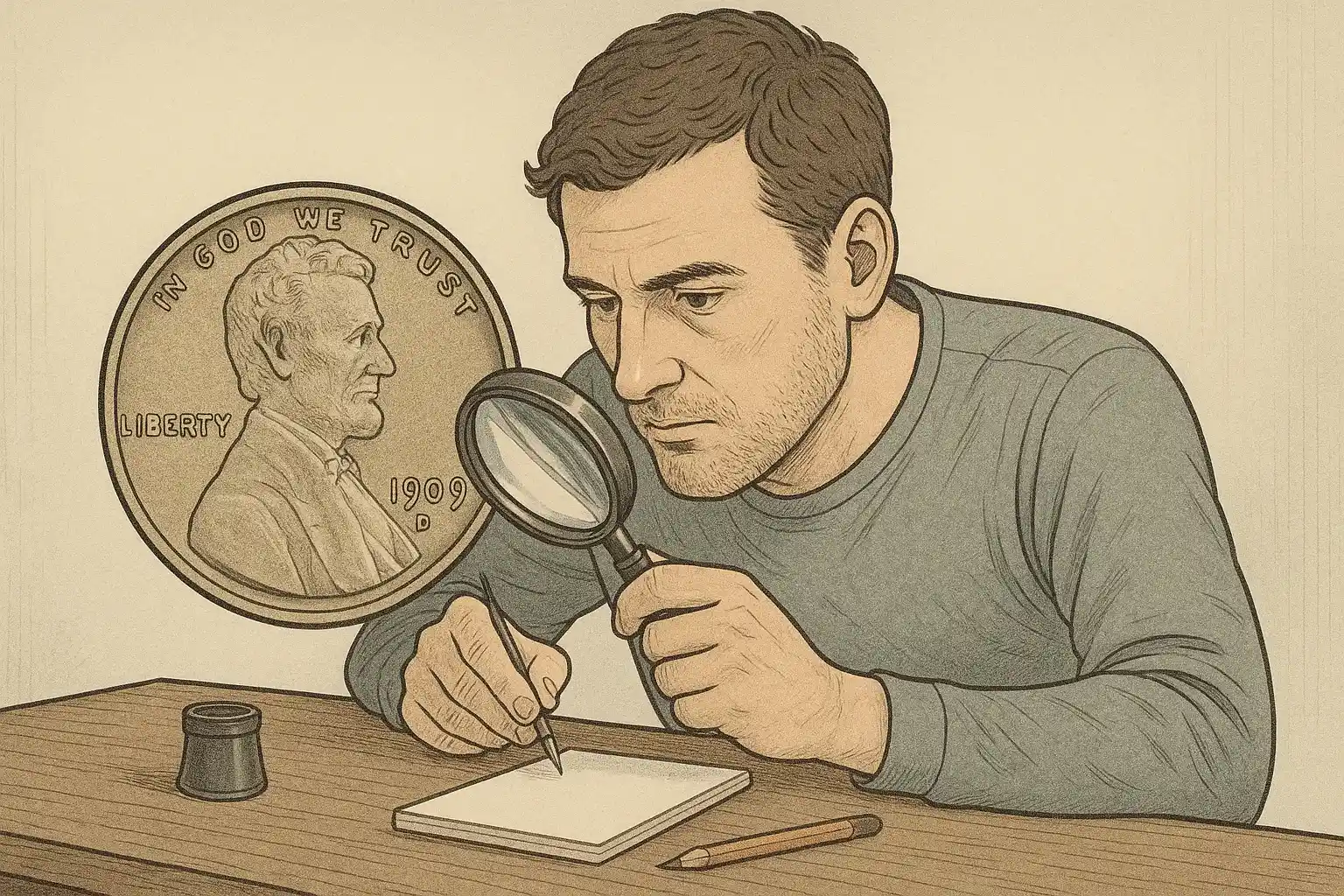
Collectors often begin their search through pocket change or inherited coin jars, but proper identification requires close inspection. High-quality images, precise weight checks, and comparison with verified examples help distinguish real errors from damage. Many enthusiasts use a coin value app Android to catalog finds digitally before sending valuable pieces for professional grading.
6. Penny Designs Capture Moments in American History
The design of the humble cent changed repeatedly, each version marking a different moment in US development. Before Lincoln’s profile made its debut, earlier issues included the Flying Eagle cent of 1856 and later the Indian Head cent beginning in 1859. Each reflected the artistic preferences of the time while being aligned with the theme of national identity.
The Lincoln Wheat cent reigned from 1909 until 1958, succeeded by the Lincoln Memorial reverse from 1959 onward. During the Lincoln bicentennial in 2009, the Mint produced four commemorative reverses that reflect scenes of his life. Beginning in 2010, these have been replaced by the Union Shield reverse, which reflects Lincoln’s role in preserving national unity during the Civil War.
These changes delineate how the penny carries with it historical storytelling over generations. Today’s collectors track each design period, studying subtle changes in lettering, relief strength, and mint marks. To many hobbyists, the excitement lies not just in finding those rare coins but in how these small objects tie in with the broader timeline of U.S. history.
How collectors continue exploring penny coins
- Examine pocket change for old wheat cents or unusual dates
- Learn to identify planchet types, especially transitional years like 1982
- Use magnification to check for doubling, cracks, or off-center strikes
- Compare coins by weight and color to spot potential varieties
- Organize finds into a digital or physical collection for long-term study
A simple search can uncover unexpected value in an everyday coin jar. Some collections grow from casual discoveries, while others become focused archives of specific eras or error types. The key is consistency: close observation, clear notes, and curiosity. Apps that provide structured coin cards, including details such as composition and years struck, help users build reliable digital inventories and follow their progress as their collection grows.
Pennies are the smallest denomination in American currency, yet their cultural and historical weight is immense. For the curious numismatist, the one-cent coin offers the ideal starting point: an object of familiarity, with a long story, boundless varieties, and a lifetime of lessons tucked into a piece of metal no bigger than a thumbprint.